Located in Huzhou, Zhejiang · 20+ PC/PMMA extrusion lines · ISO 9001:2015 Email: info@leddiffuserfactory.com WhatsApp: +372 5920 5909 Send Inquiry

Blog

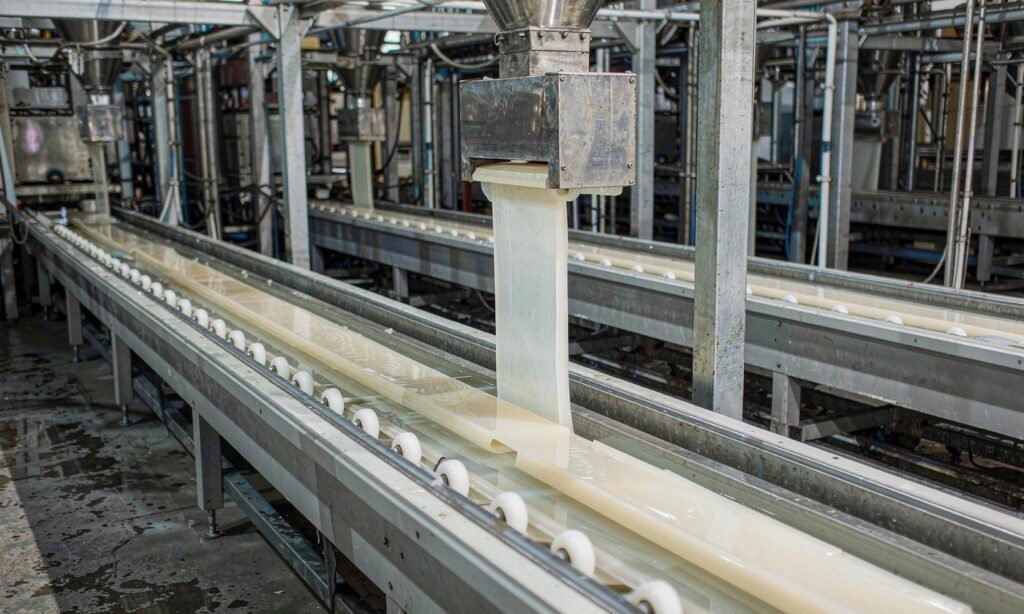
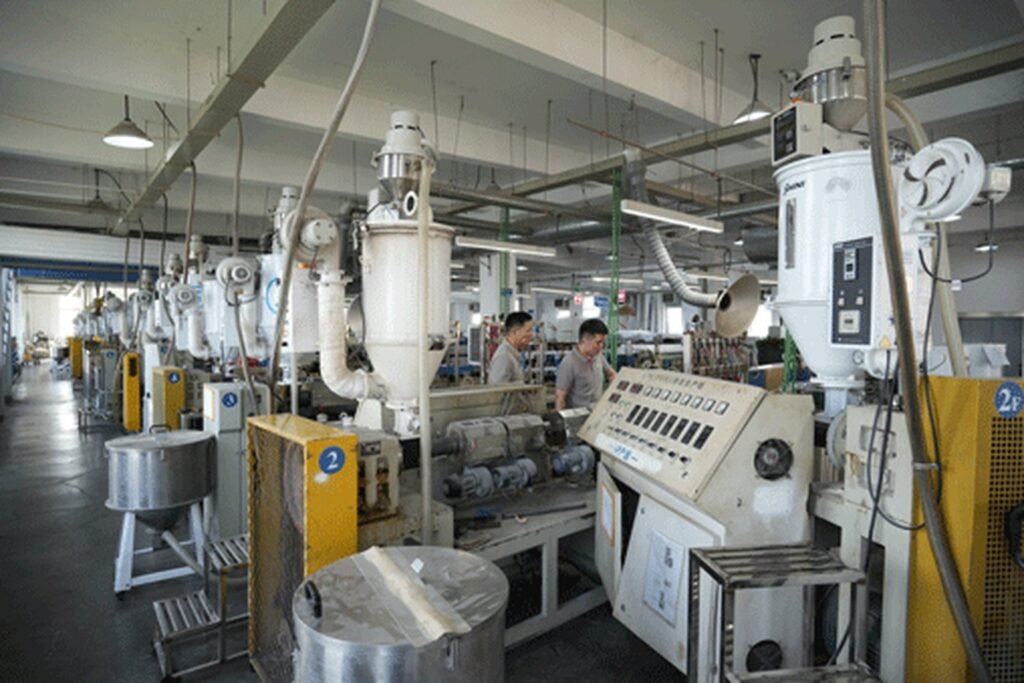
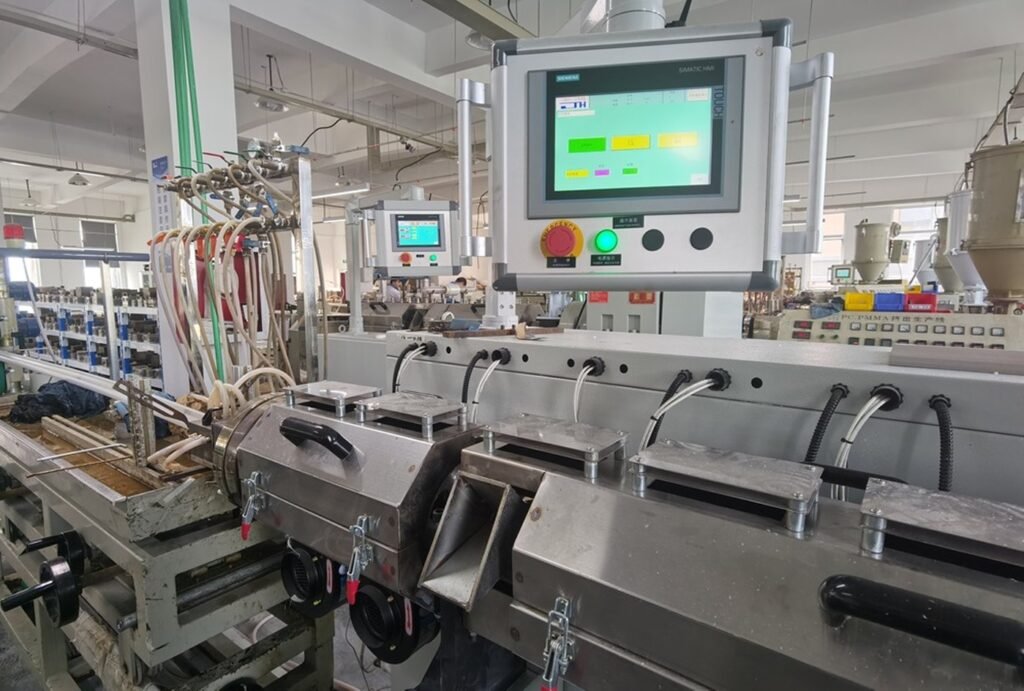
Multiple extrusion lines running side by side in the LED diffuser workshop
Manufacturing

LED Diffuser Factory Visit: What the Layout Tells You

On most factory visits the machine hall gets two minutes and the meeting room gets two hours. The hall holds more than a machine count. How the lines are arranged, whether machines carry numbers, how far the die racks sit from the extruder and which route a profile takes from the die head to the cooling tank decide whether your sampling round gets pushed behind production, and how fast a repeat order can be slotted in. This is what to look at, based on our own extrusion hall.
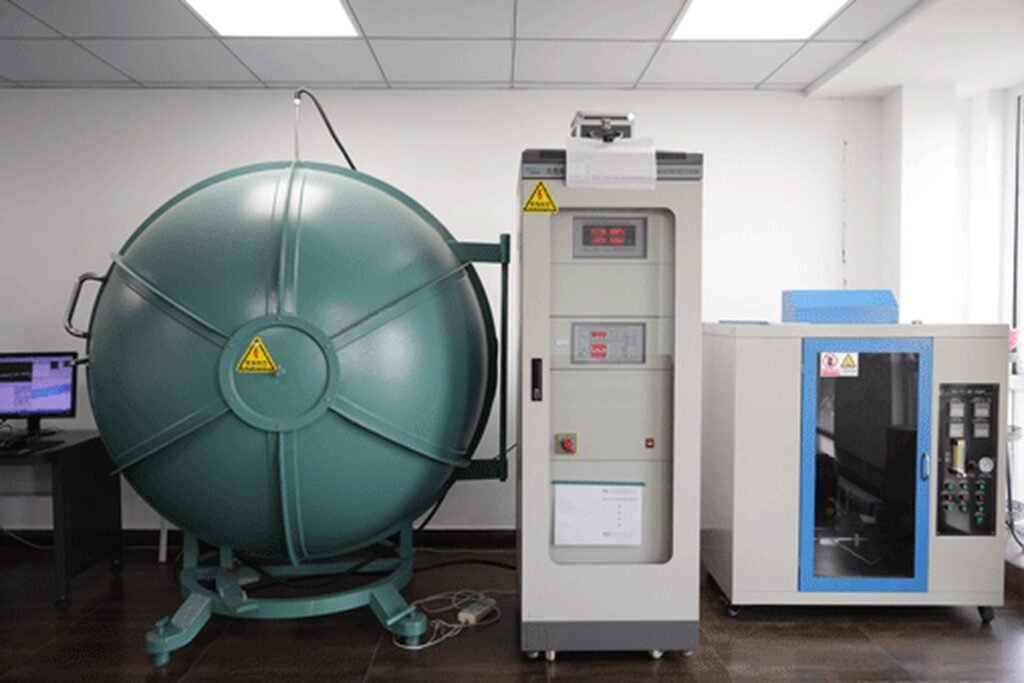
Integrating sphere used to measure LED diffuser transmittance and haze
Guides

LED Diffuser Incoming Inspection: A Buyer’s Checklist

Once the sampling round is approved, acceptance often collapses into a glance for scratches at goods-in. An optical part has to be accepted on three fronts: appearance, dimensions and light. The awkward part is that the factory has already measured all three, while the buyer’s inspection plan often never connects to that data. This article sets out the three-step inspection, the records worth asking for, how to hold retention samples, and a table you can copy straight into your incoming inspection form.

Cover: extrusion temperature zones and vacuum sizing
Guides

LED Diffuser Batch Consistency: How It Is Controlled on the Line

The expensive complaint is rarely “you could not make it”. It is “the second batch does not match”: the profile will not seat in the housing, a shadow line appears at the joint, the light looks patchy. That fault almost never sits in one machine. It sits in the joins between four steps: temperature control, haul-off stability, inspection cadence and records. This article walks through those four using our own equipment and process system, and ends with what to check when you audit a supplier.

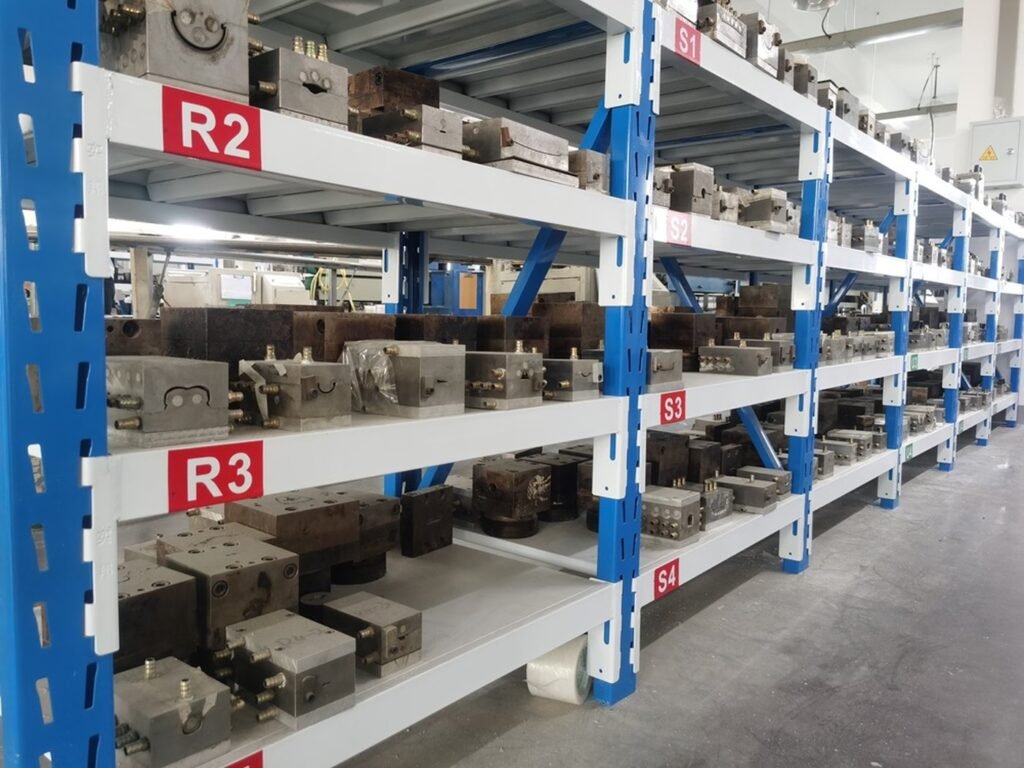
Cover: LED diffuser tooling library
Manufacturing

LED Diffuser Tooling: What to Check Before You Open a Die

Factory audits usually start with a count of extrusion lines, and that is the least informative number in the building. Extruders can be bought; tooling has to be accumulated. The die decides the cross section, the surface and how fast a sampling round closes, so it decides whether a supplier can move when your drawing changes. This article uses two pages of our own workshop gallery, the die and mold center and the tooling library, to explain what in-house tooling means for sampling speed, repeat orders and drawing confidentiality, and ends with five questions to ask before you release a die.

Cover: custom LED diffuser lead time
Manufacturing

Custom LED Diffuser Lead Time: From Drawing to Production

Ask three suppliers for a custom LED diffuser lead time and you will get three optimistic numbers. The schedule is six phases, and the longest delays usually originate on the buyer’s side: drawings that change after tooling, acceptance criteria defined after samples arrive, feedback that takes a week. Here is what each phase involves, where weeks hide, and what to freeze before tooling so the first sample has a real chance of being the last.

Cover: LED diffuser tolerance
Guides

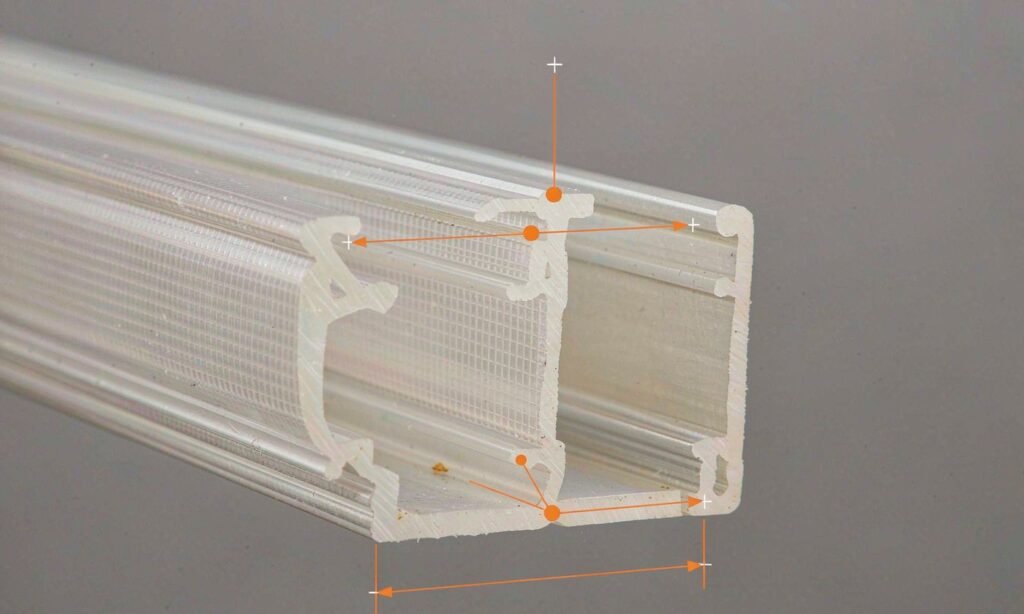
LED Diffuser Tolerance: What to Specify on the Drawing

Two diffuser profiles can carry identical optical data and still fail on the assembly line: one slides into the housing, the other needs force. The gap between them sits in the tolerance band, not in the optical sheet. This article maps the five dimension groups that decide whether an extruded diffuser fits, seats and stays in place, shows how to write them into the drawing, and ends with a tolerance checklist to attach to your RFQ.

LED Optical Extrusion Procurement
Manufacturing

Tooling Is Just a Deposit: What Really Costs on LED Optical Extrusion Is the Supplier Switch

Two seemingly identical LED diffuser quotes can differ by 20%, yet few buyers price the true cost of switching suppliers: two or three re-sampling rounds, re-validating photometry on the luminaire, re-signing customer approvals, and field rework. Optical extrusions are not catalog parts — “same drawing, same material” does not guarantee the same result. This article breaks down the five variables behind a quote and four hidden bills, then gives a qualification drawing-package checklist and the criteria for judging whether an optical extrusion factory is worth a long-term partnership.

LED Diffuser Selection
Guides

Transmittance Isn’t Everything: What Really Kills Light Uniformity in LED Luminaires

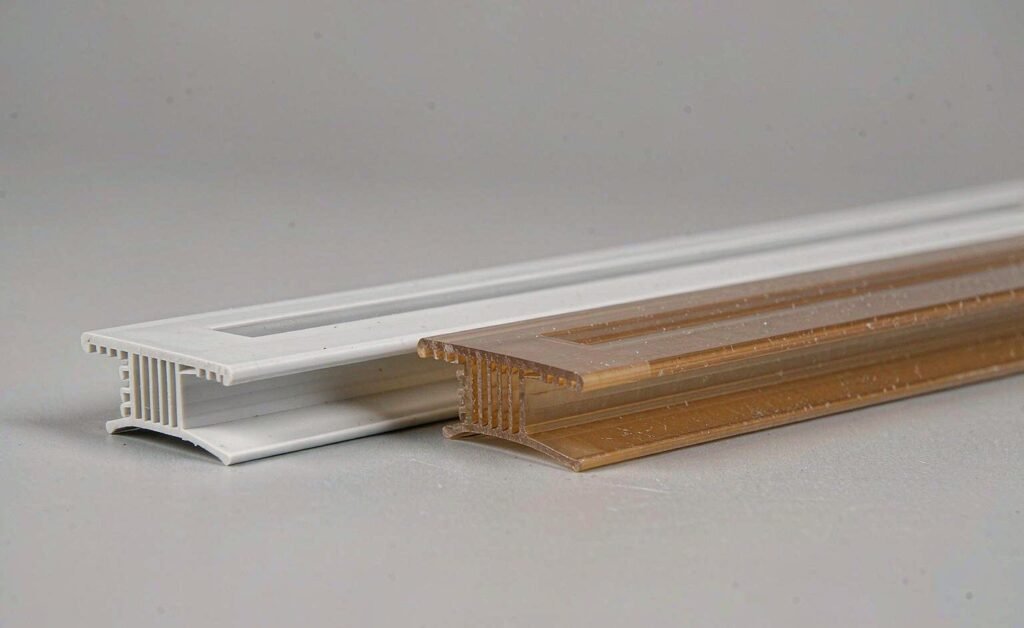
Same LED modules, same driver — why do some linear lights look perfectly even while others show hotspots and dark bands? Teams often blame the source, but the optical component is usually the culprit. This article breaks down three common acceptance failures from the perspective of extruded diffuser profiles — graininess, yellowing, and seam shadows — and shows why “max transmittance” on its own is the wrong spec to chase. It ends with a pre-RFQ technical checklist: the constraint set of how much light passes, how much it scatters, and how long it stays stable.

Zhejiang Baoming Optical Materials Co., Ltd.
LED Diffuser & Optical Lighting Components Manufacturer.

Factory
No. 9 Zhongnan Hi-Tech, Xin'an Town, Deqing County,
Huzhou City, Zhejiang 313200, China

© 2026 Zhejiang Baoming Optical Materials Co., Ltd. All rights reserved. Privacy Policy · Terms · Sitemap
Scroll to Top