LED Diffuser Materials: PC and PMMA
Choosing between polycarbonate and acrylic is the first decision in most diffuser projects.
Overview
Two materials, one extrusion process
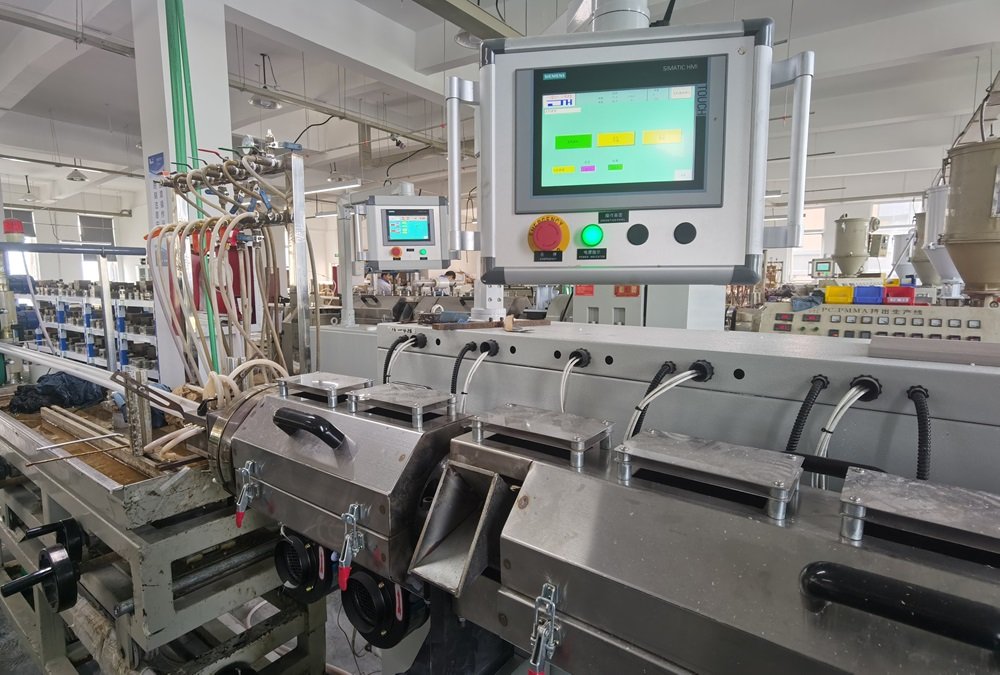
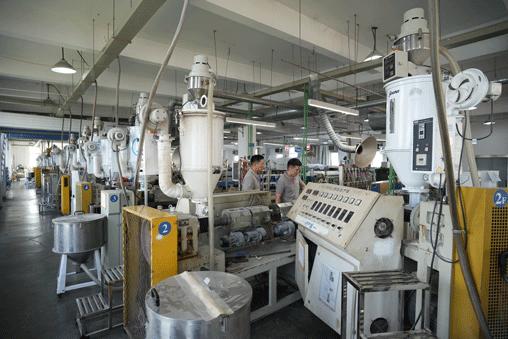
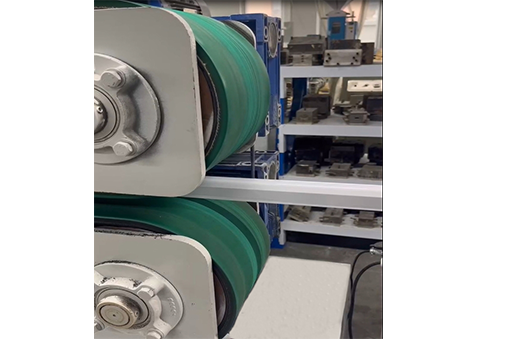
Both polycarbonate and PMMA are extruded in-house, in single-colour and two-colour forms. The right choice depends on what the fixture has to survive and how the finished surface should look — not on a rule of thumb.
Comparison
Polycarbonate vs PMMA at a glance
Relative comparison for diffuser selection. Confirm exact values for your grade and application before specifying.
| Polycarbonate (PC) | PMMA / acrylic | |
|---|---|---|
| Optical characteristics | Very good transmission, slightly higher haze | Excellent clarity, low haze |
| Impact resistance | Very high | Moderate |
| Surface finish | Good; softer surface needs careful handling | Hard, scratch-resistant surface |
| Appearance | Slightly warm tint | Water-clear |
| Typical applications | Industrial, outdoor, vandal-resistant | Architectural, commercial, signage |
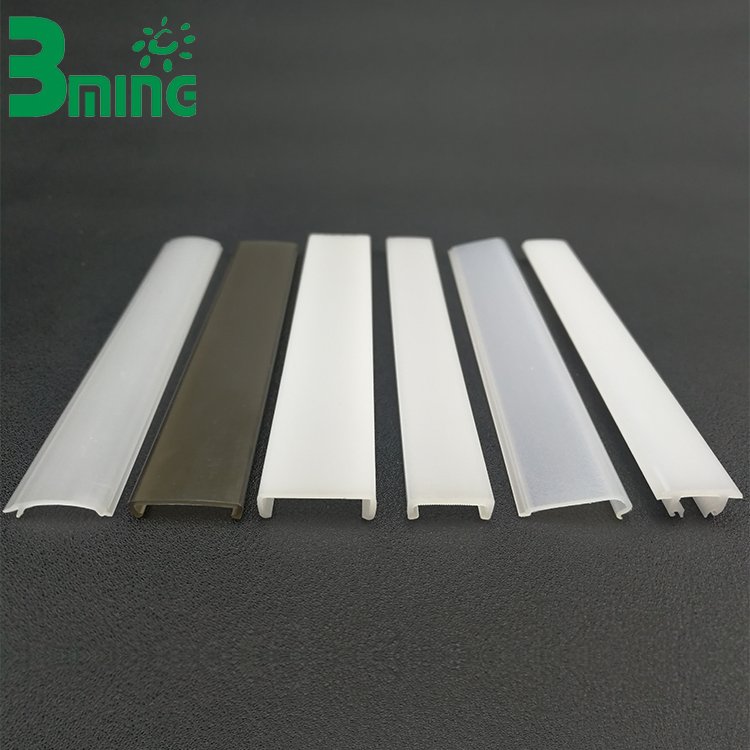
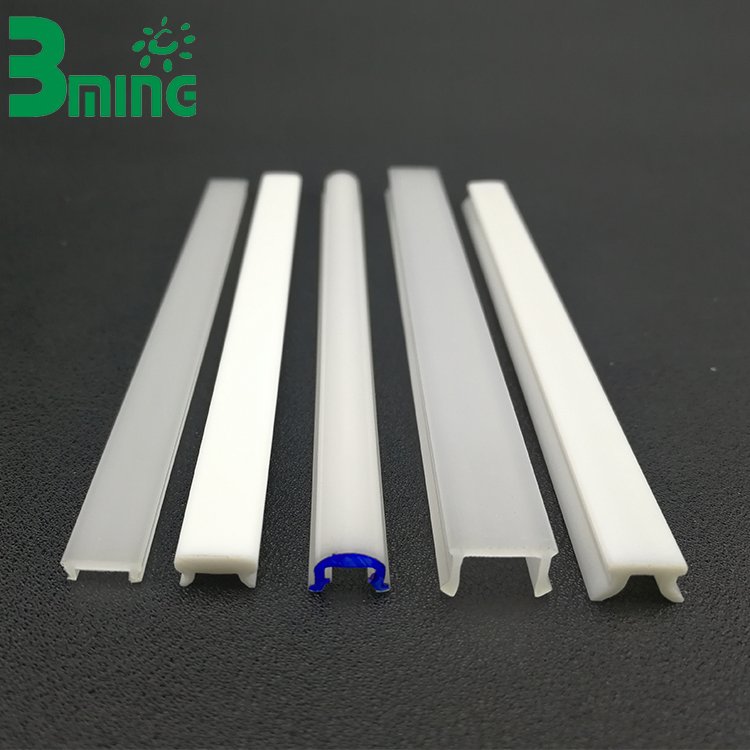
| Customization | Profile, colour, surface, two-colour | Profile, colour, surface, two-colour |
Gallery
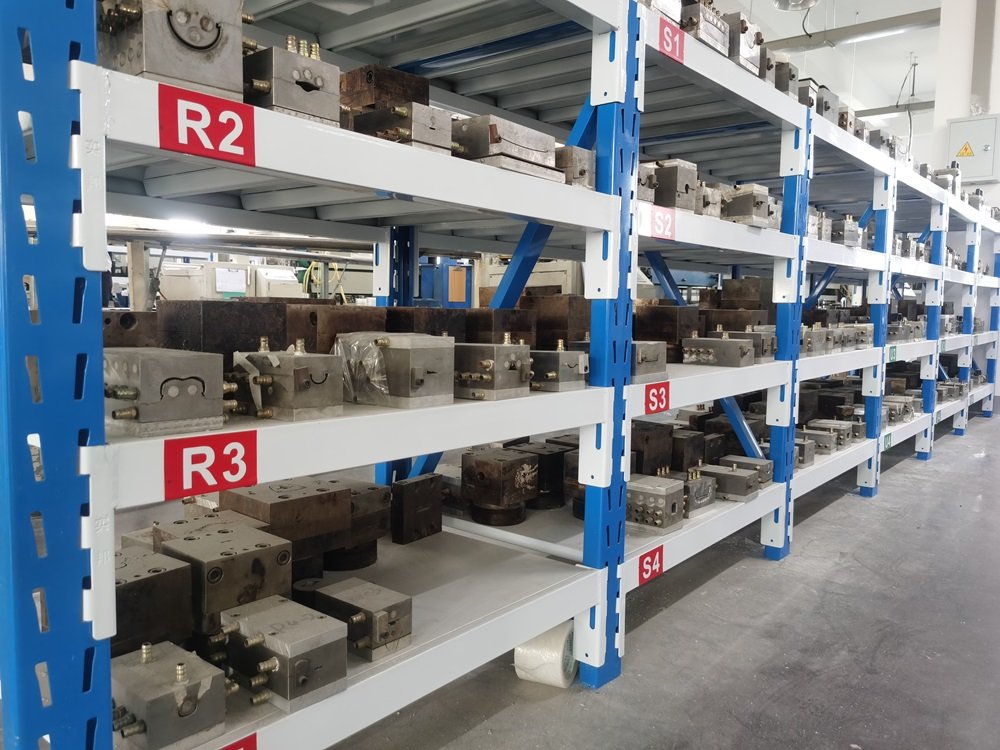
Production and profiles


Need a diffuser built to your drawing?
Send us your drawing, sketch or existing sample. Our optical extrusion engineers will come back with material, tooling and price.
FAQ
Frequently Asked Questions
Which material is more UV stable?
PMMA generally has better UV stability and lower yellowing. UV-stabilised PC grades are available where impact resistance is also required.
Can both materials be co-extruded?
Yes. Single-colour and two-colour extrusion are available in both.
RFQ
Request a Quote
Tell us the profile, the material and the quantity you need.