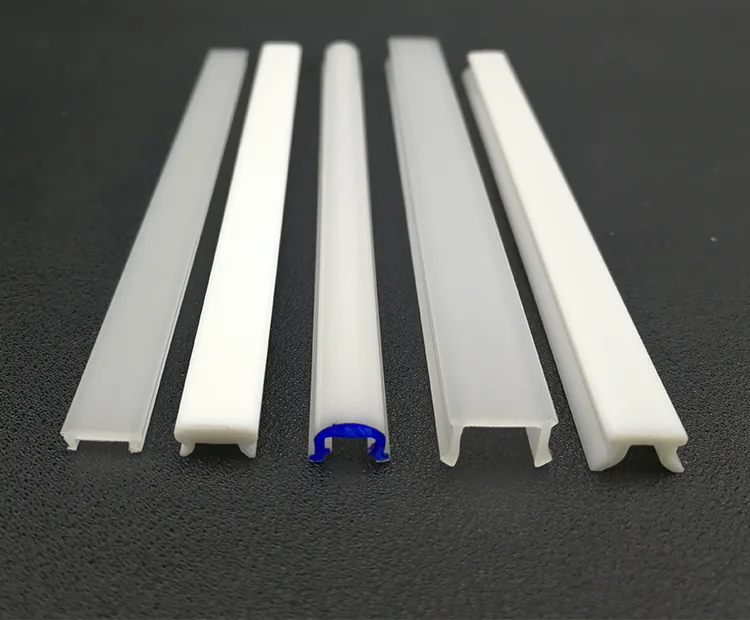
What Custom LED Optics Means When You Work With an Extruder
Custom LED optics with an extruder means one constant section, a die you can revise, and any cut length. What to put on the drawing before tooling starts.
Custom LED optics with an extruder means one constant section, a die you can revise, and any cut length. What to put on the drawing before tooling starts.
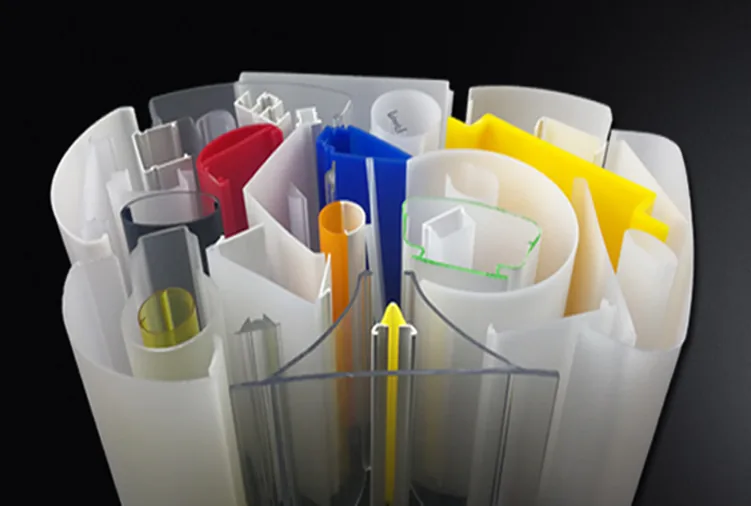
Custom cut LED optical manufacturing: which cutting method sets length tolerance, what to write on the drawing, and how cut lengths are packed.
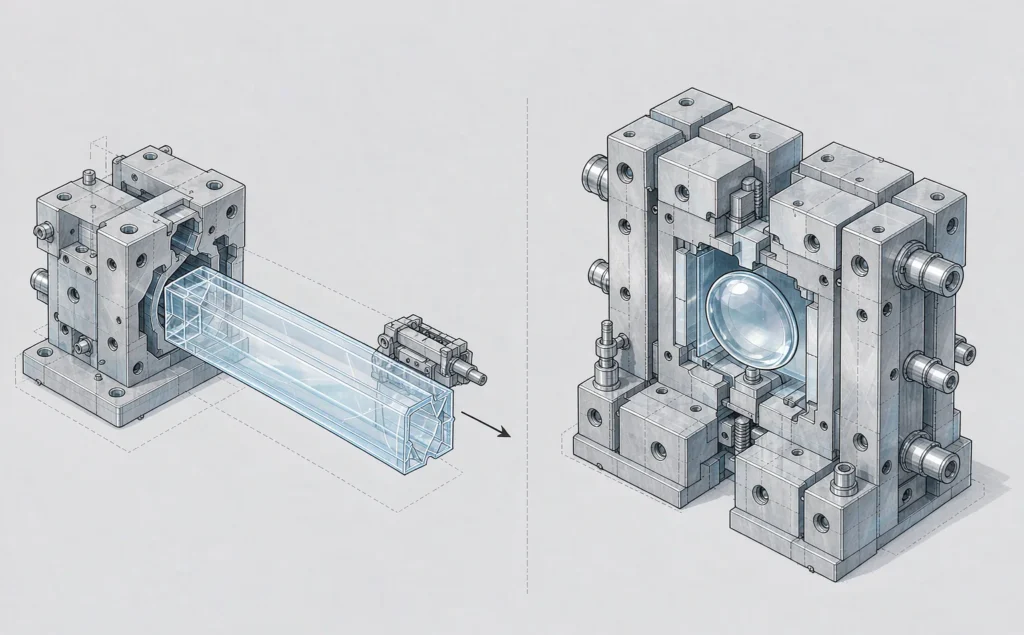
Custom extruded lens or injection moulding? Compare tooling, MOQ and length limits: profiles 10 to 2,000 g/m, MOQ 500 pieces, cut to your drawing.
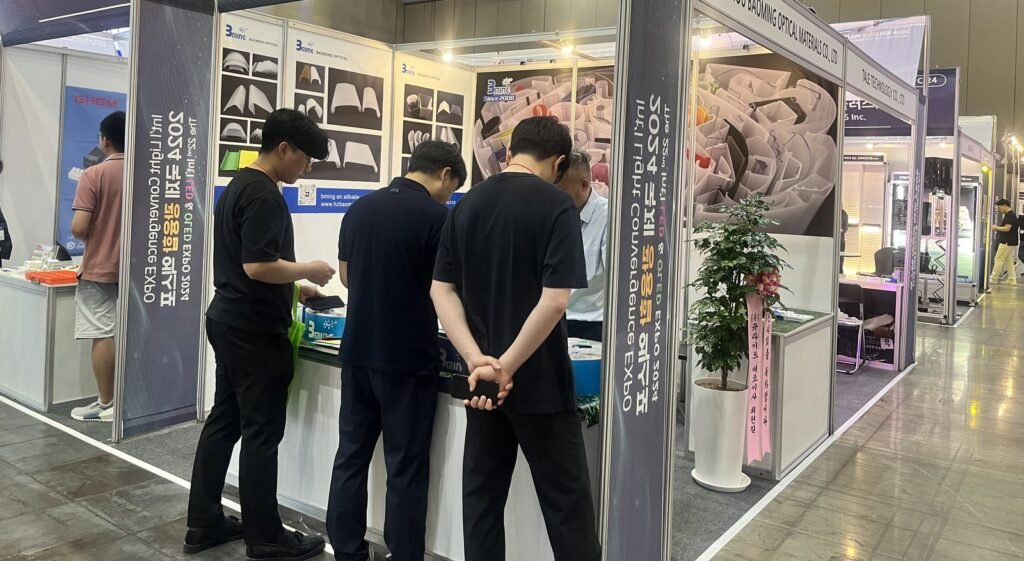
We took embossed prismatic linear covers and high-precision lenses to KINTEX in June 2024. What plant lighting engineers asked, and what the covers do.
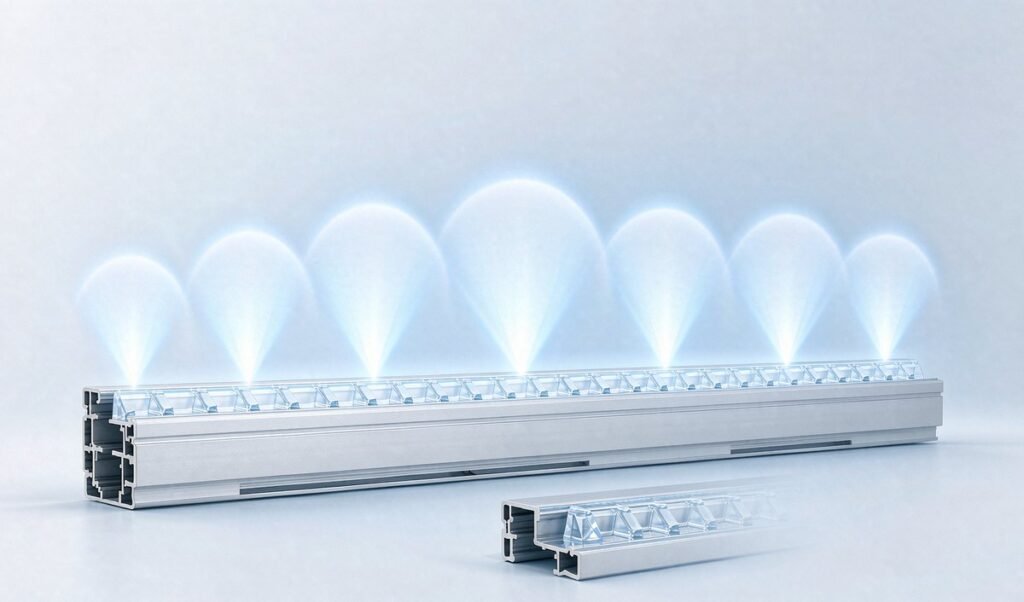
Linear LED lenses come in 35°, 45°, 60°, 85°, 95°, 100° and 105° beams. Match the angle to mounting height and spacing, with a field reference table.
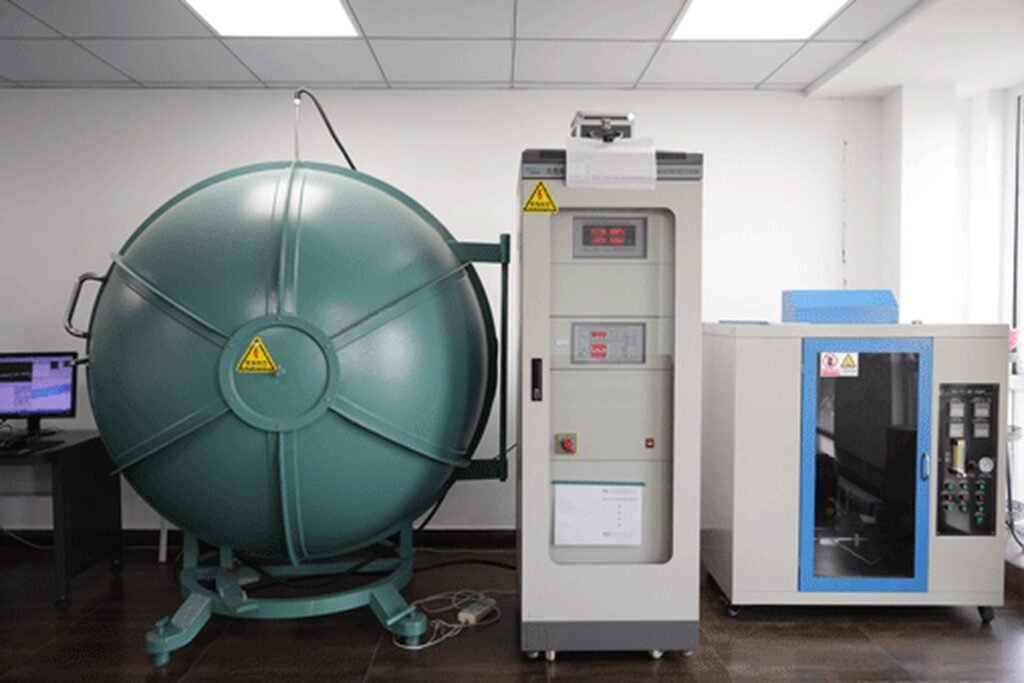
Once the sampling round is approved, acceptance often collapses into a glance for scratches at goods-in. An optical part has to be accepted on three fronts: appearance, dimensions and light. The awkward part is that the factory has already measured all three, while the buyer’s inspection plan often never connects to that data. This article sets out the three-step inspection, the records worth asking for, how to hold retention samples, and a table you can copy straight into your incoming inspection form.
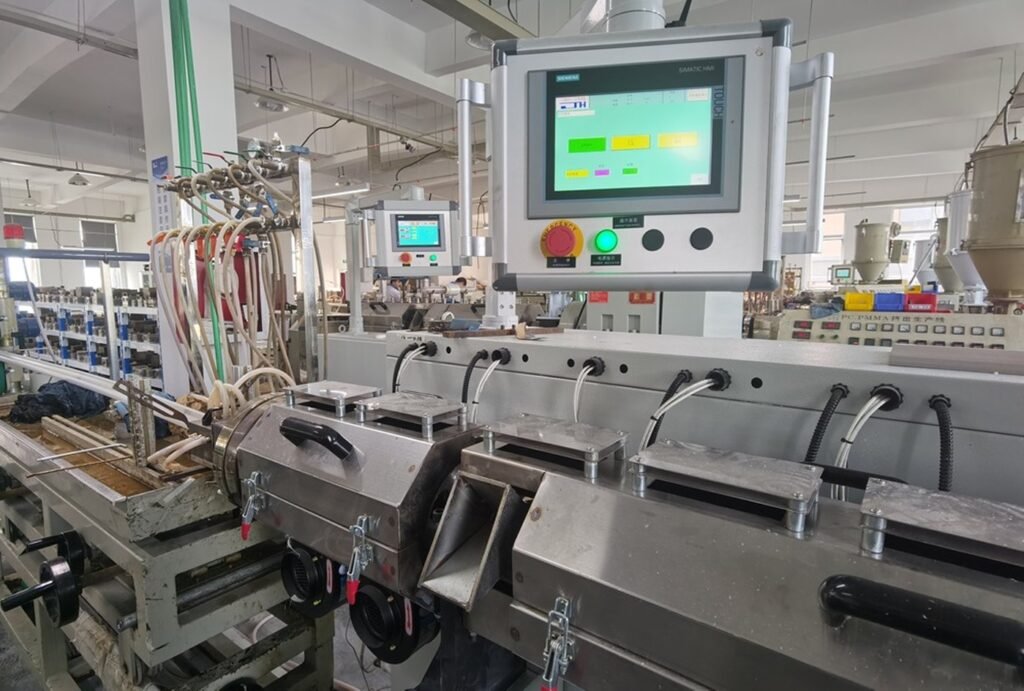
The expensive complaint is rarely “you could not make it”. It is “the second batch does not match”: the profile will not seat in the housing, a shadow line appears at the joint, the light looks patchy. That fault almost never sits in one machine. It sits in the joins between four steps: temperature control, haul-off stability, inspection cadence and records. This article walks through those four using our own equipment and process system, and ends with what to check when you audit a supplier.
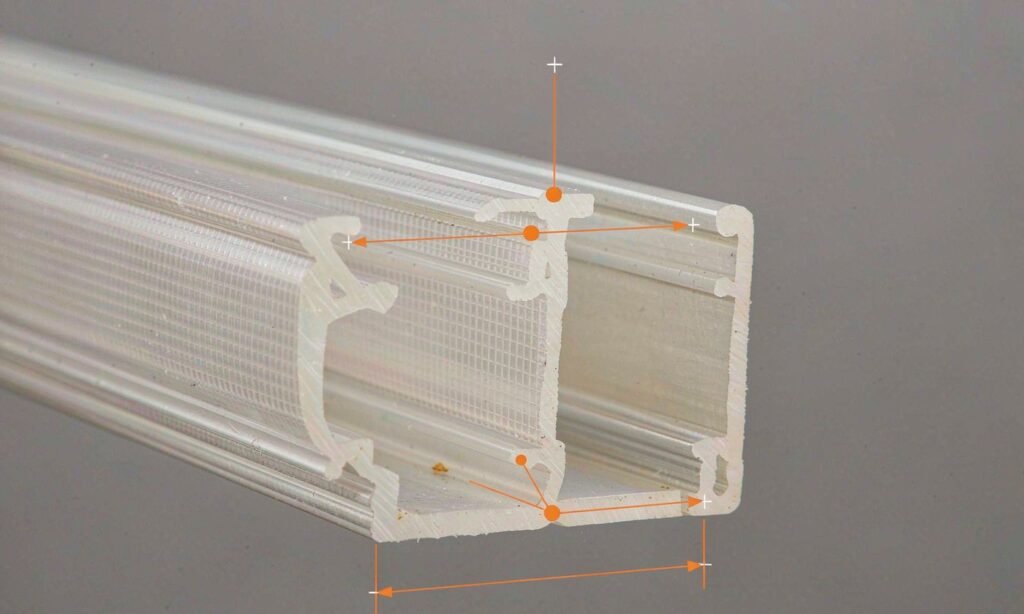
Two diffuser profiles can carry identical optical data and still fail on the assembly line: one slides into the housing, the other needs force. The gap between them sits in the tolerance band, not in the optical sheet. This article maps the five dimension groups that decide whether an extruded diffuser fits, seats and stays in place, shows how to write them into the drawing, and ends with a tolerance checklist to attach to your RFQ.
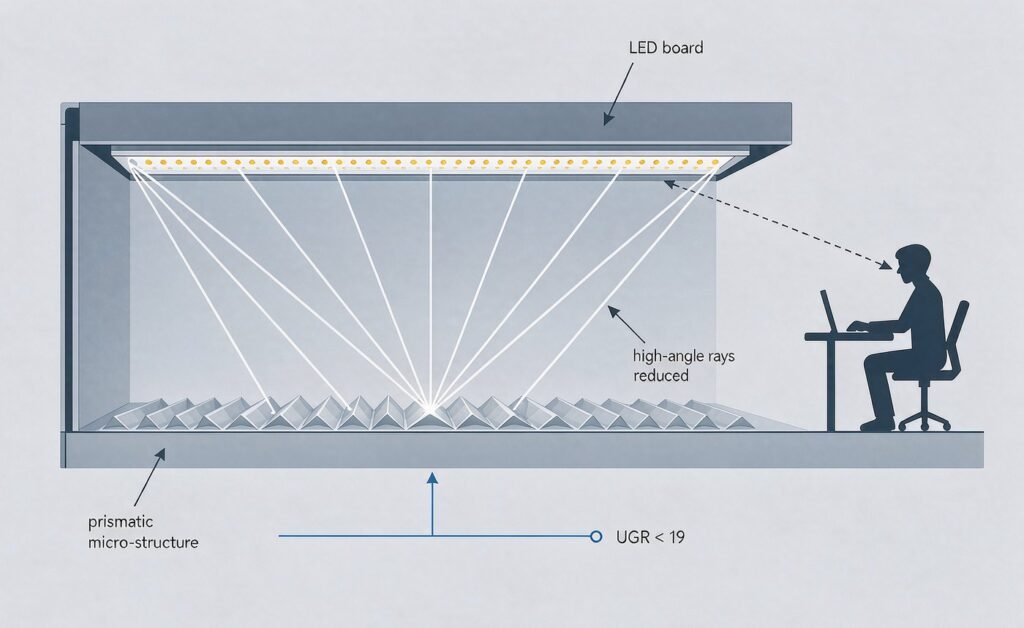
Glare complaints are usually an optics problem rather than a driver problem. This guide covers what UGR measures, the three levers in the diffuser that control it, and the acceptance values worth writing into your drawing.
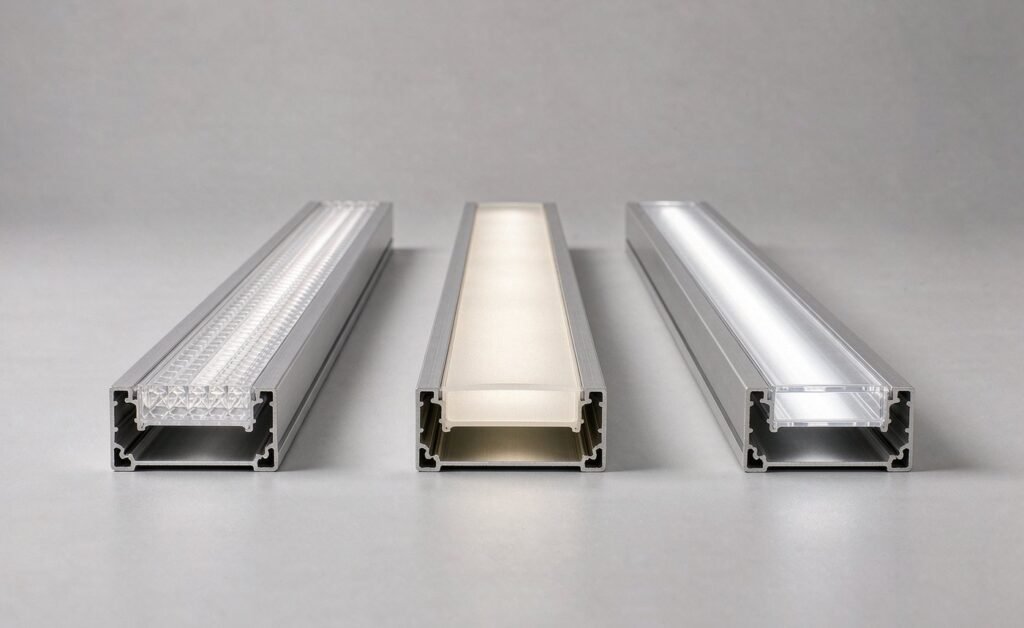
Same LED modules, same driver — why do some linear lights look perfectly even while others show hotspots and dark bands? Teams often blame the source, but the optical component is usually the culprit. This article breaks down three common acceptance failures from the perspective of extruded diffuser profiles — graininess, yellowing, and seam shadows — and shows why “max transmittance” on its own is the wrong spec to chase. It ends with a pre-RFQ technical checklist: the constraint set of how much light passes, how much it scatters, and how long it stays stable.
LED DIFFUSER FACTORY
Zhejiang Baoming Optical Materials Co., Ltd.
LED Diffuser & Optical Lighting Components Manufacturer.
Factory
No. 9 Zhongnan Hi-Tech, Xin'an Town, Deqing County,
Huzhou City, Zhejiang 313200, China
Email
info@leddiffuserfactory.com
WhatsApp
+372 5920 5909
WeChat
+86 158 6789 7761