Where batch-to-batch variation comes from
Extrusion is continuous, and everything drifts: resin moisture, temperature zones moving with ambient conditions, a slipping haul-off, the difference between a day shift and a night shift. A sampling batch is hand-built and trimmed until it is right. A production batch has to hold itself together, which means catching drift inside the process rather than at the end of it.
Four things decide whether that happens: whether parameters are held, whether the pull is steady, how often someone measures, and whether a deviation can be traced back to its cause. The same four steps are the backbone of LED diffuser manufacturing.
Extrusion: temperature zones and vacuum sizing
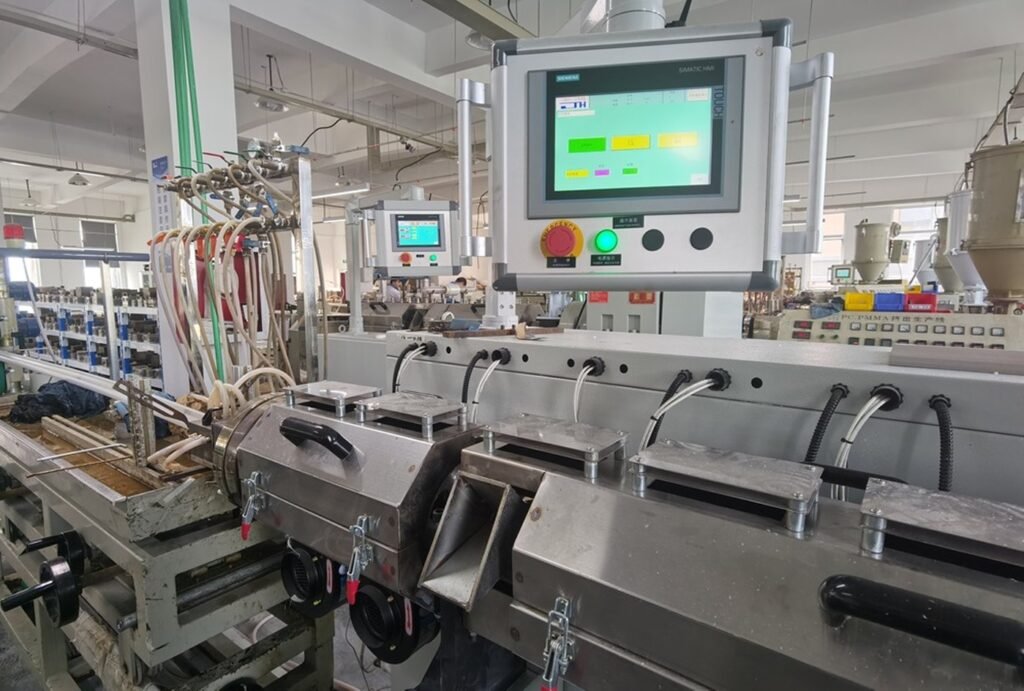
The extrusion line in our workshop runs a multi-zone temperature controller and a vacuum sizing section, and both matter at the same time. Melt leaves the die, but the finished dimensions are not set at the die lip. They are pulled into shape in the sizing section by vacuum and cooling water.
So two parameters have to stay steady. Zone temperatures set the condition of the melt, and vacuum level sets the final dimensions and the surface finish. Let each of them wander slightly and the line produces a different profile than it did an hour ago. On our production order screen, zone temperatures, vacuum level, screw speed, haul-off speed and weight per metre are recorded on the same production order, so the parameters live on the document instead of on a controller display that gets overwritten at the next job.
Haul-off: the step buyers underestimate
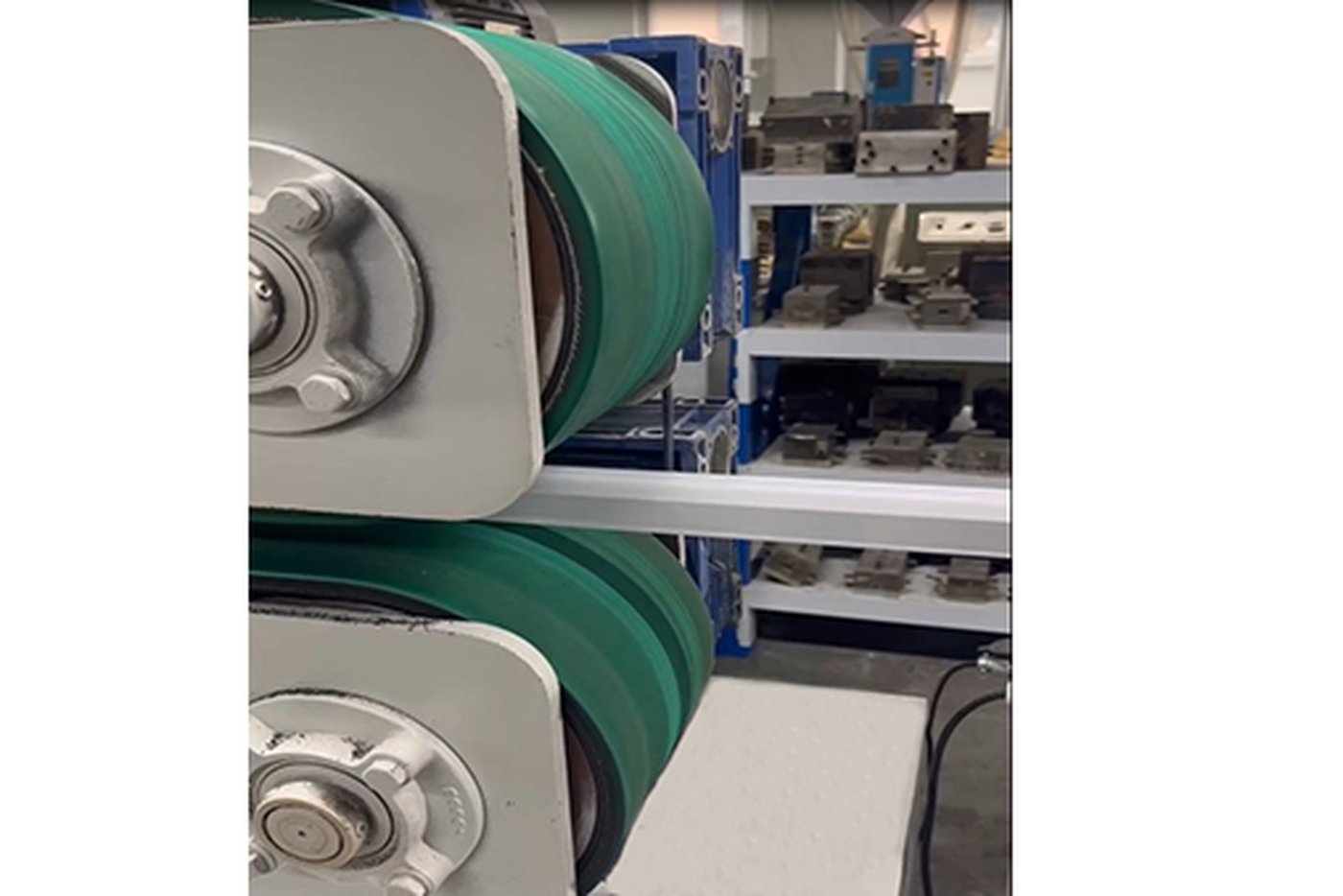
The haul-off is the belt unit that pulls the profile out of the sizing section at a constant rate. Its speed variation turns directly into wall thickness and weight variation, and from there into straightness and assembly fit.
On a single two-metre sample, a small variation may not show. On a linear run that joins ten metres or more, the variation accumulates section by section, and what comes out at the end is visible twist and misaligned joints. You cannot judge haul-off stability by watching a machine run during a visit. You judge it from the records, where weight and wall thickness either hold a tight band or do not. The dimensions worth holding are the ones listed in LED diffuser tolerance.
Inspection and records: first piece, patrol checks, limits
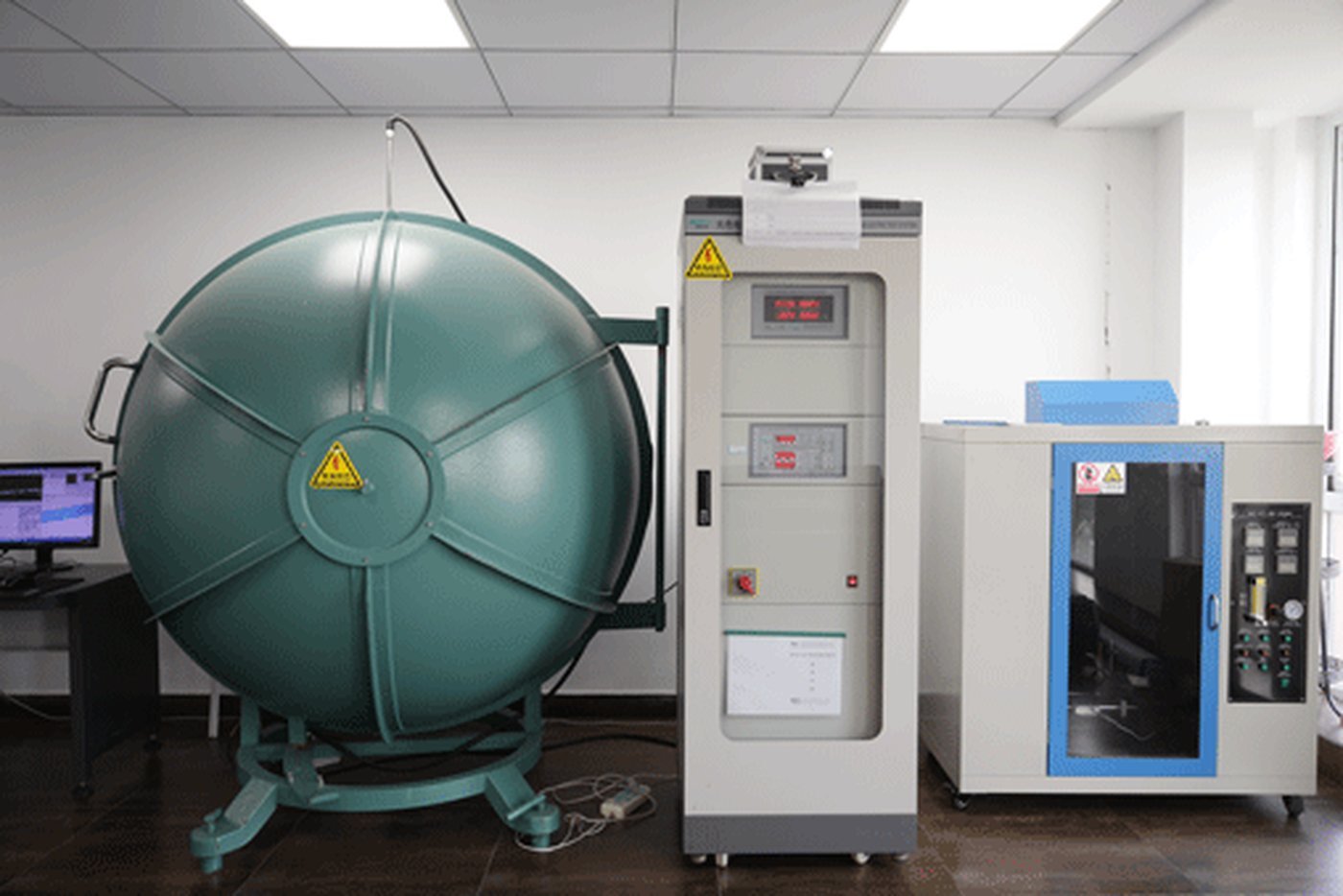
Optical values are measured with an integrating sphere, so transmittance and efficacy have an instrument behind them. What keeps the second batch equal to the first is the inspection routine recorded in our process system:
- Every production order carries the drawing number and the machine number, with parameters and results on the same sheet.
- The first piece is checked at start-up, then patrol checks run at fixed intervals through the shift, recording several key dimensions each time.
- Key dimensions are recorded as actual values against the drawing’s upper and lower limits, not as a single “OK”.
- Weight per metre is logged next to the dimensions, so a shift in wall thickness surfaces immediately instead of at assembly.
- Entries, edits and approvals are attributed to named people, so any figure can be traced back.
None of this depends on imported hardware. It depends on measuring at intervals and writing it down, which is what our quality control page describes in more detail, and what a custom manufacturing project is built around from the first sample.
What to check when you audit a supplier
- Are process parameters recorded on the production order, or only left on the machine panel?
- Are inspection records a continuous run at fixed intervals, or a few sheets filled in before your visit?
- Are dimensions entered as values against upper and lower limits?
- What instrument measures the optical values, and how often is it calibrated?
Consistency cannot be designed into a part or declared in a brochure. It is the density of those records. Material choice sets the starting point, as PC vs PMMA explains, but what arrives at your line is decided here. The company story shows the plant those records come from, and the certifications page lists the ISO 9001:2015 certificate behind the system. If you want to see how a specific profile would be held, request a quote and ask for the inspection sheet from a previous run of a comparable section.